TRINITY

A total lunar eclipse (the classic “Blood Moon”) will peak on Tuesday, March 3, 2026. Your headline nails the coolest detail: the maximum eclipse (when the Moon is deepest in Earth’s shadow and at its reddest) hits exactly 3:33 a.m. on 3/3… but only if you’re on the West Coast (Pacific Time). Here’s the full breakdown for the U.S.:
Time Zone | Totality Begins | Peak (Deepest Red) | Totality Ends | Notes |
|---|---|---|---|---|
Pacific (PST) | 3:04 a.m. | 3:33 a.m. | 4:02 a.m. | Perfect dark-sky viewing, Moon high in west |
Mountain (MST) | 4:04 a.m. | 4:33 a.m. | 5:02 a.m. | Still excellent |
Central (CST) | 5:04 a.m. | 5:33 a.m. | 6:02 a.m. | Good, but twilight starting |
Eastern (EST) | 6:04 a.m. | 6:33 a.m. | 7:02 a.m. | Moon low in west; many spots see it set during totality as Sun rises |
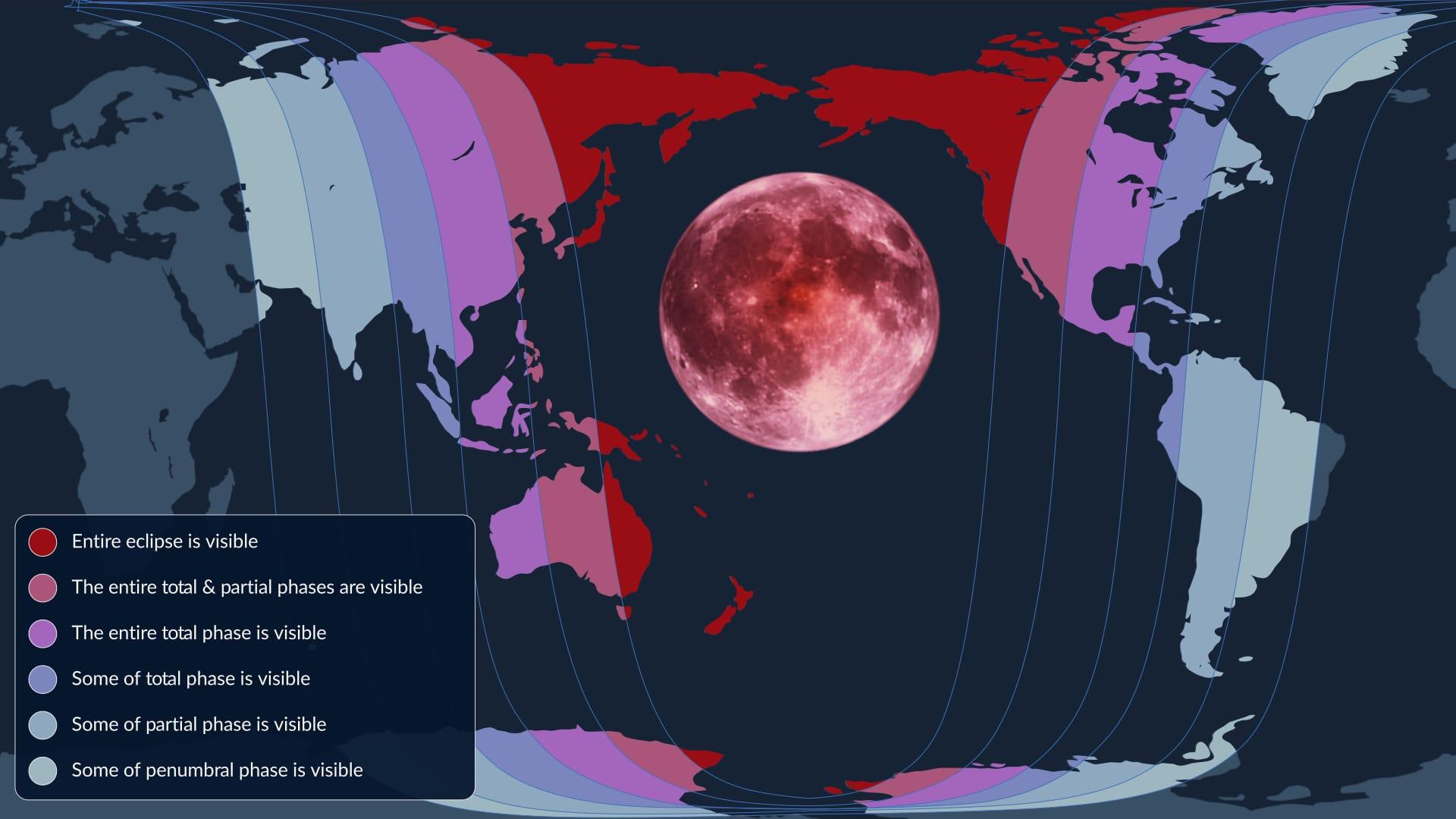
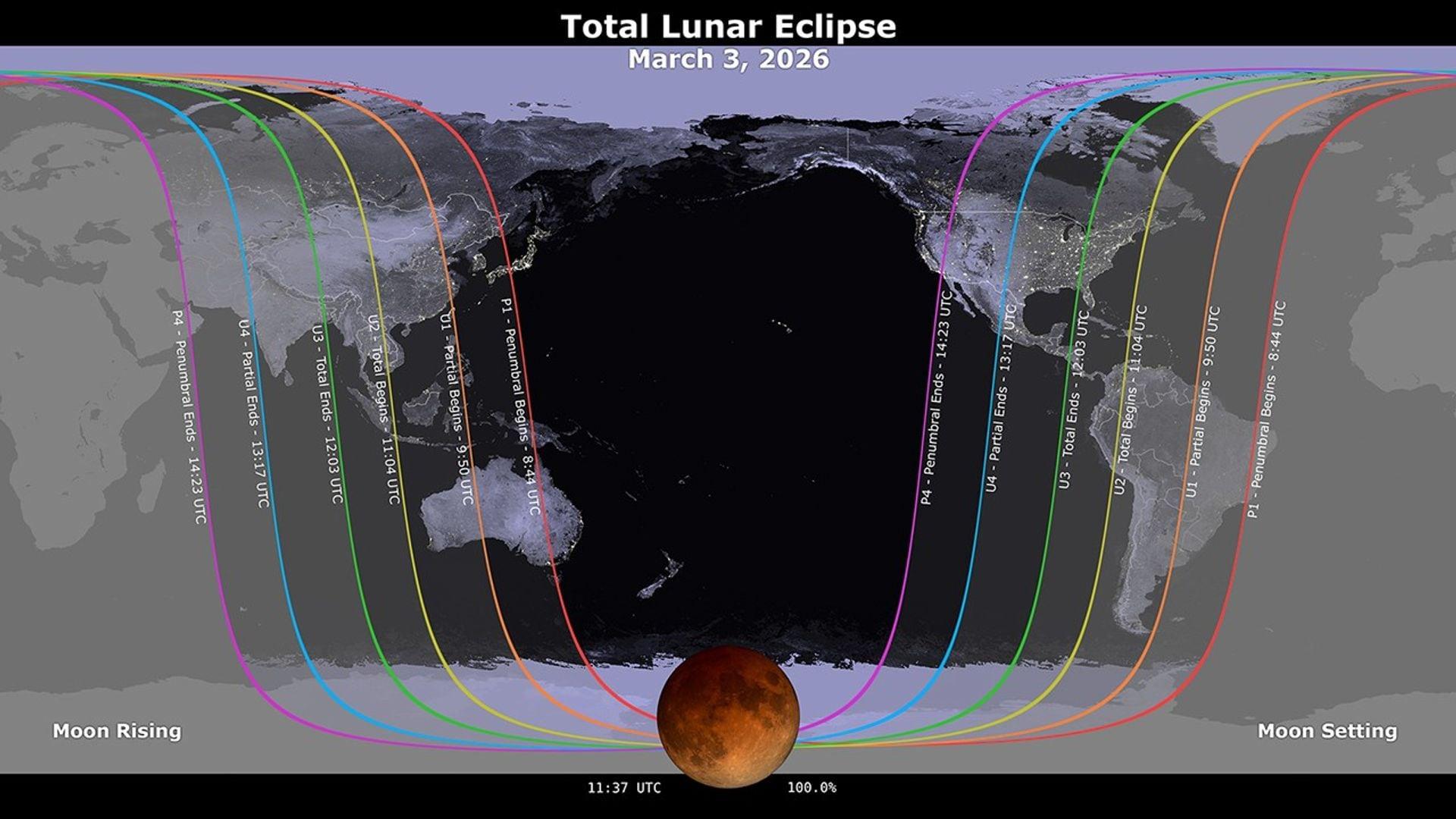
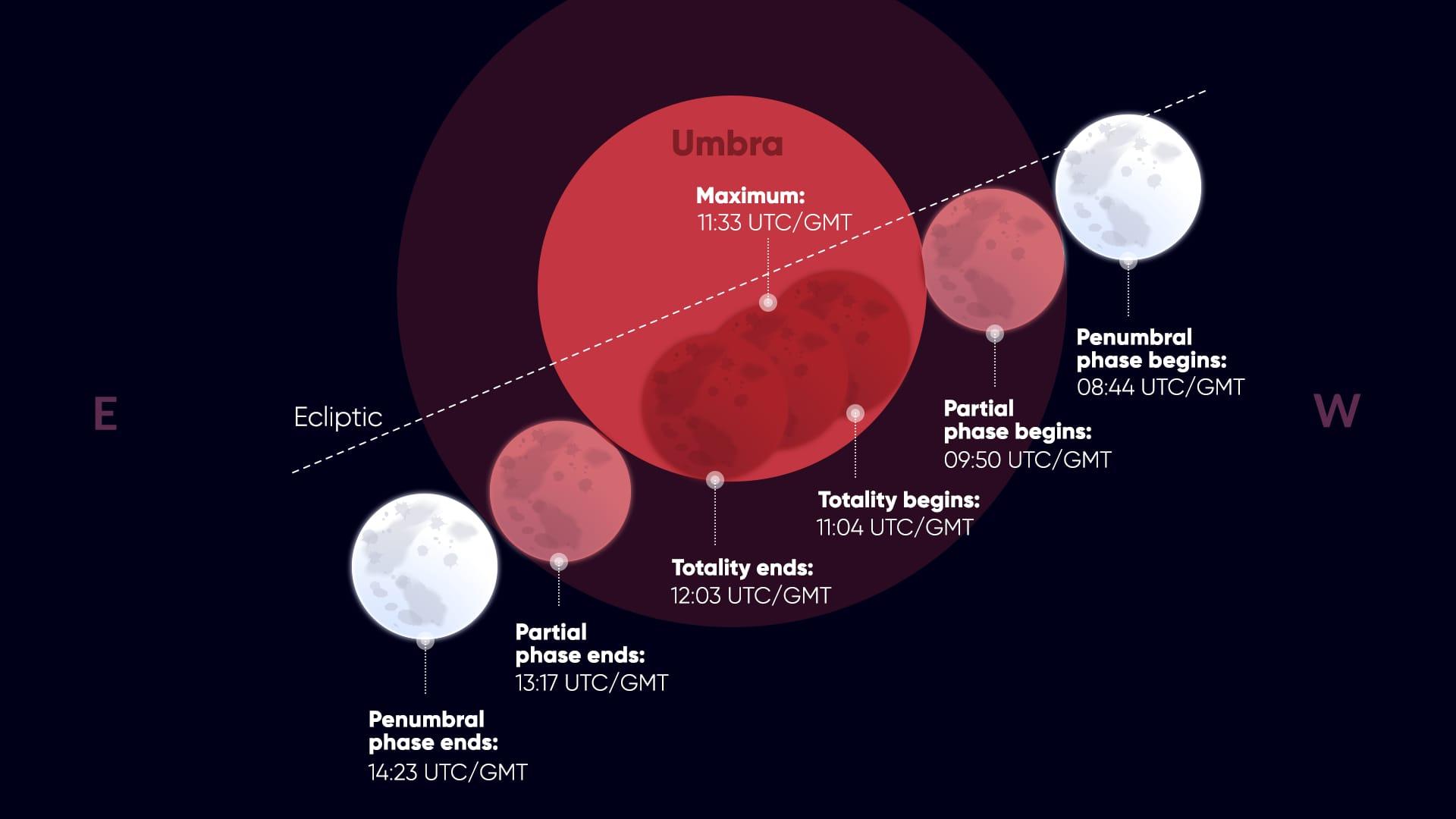
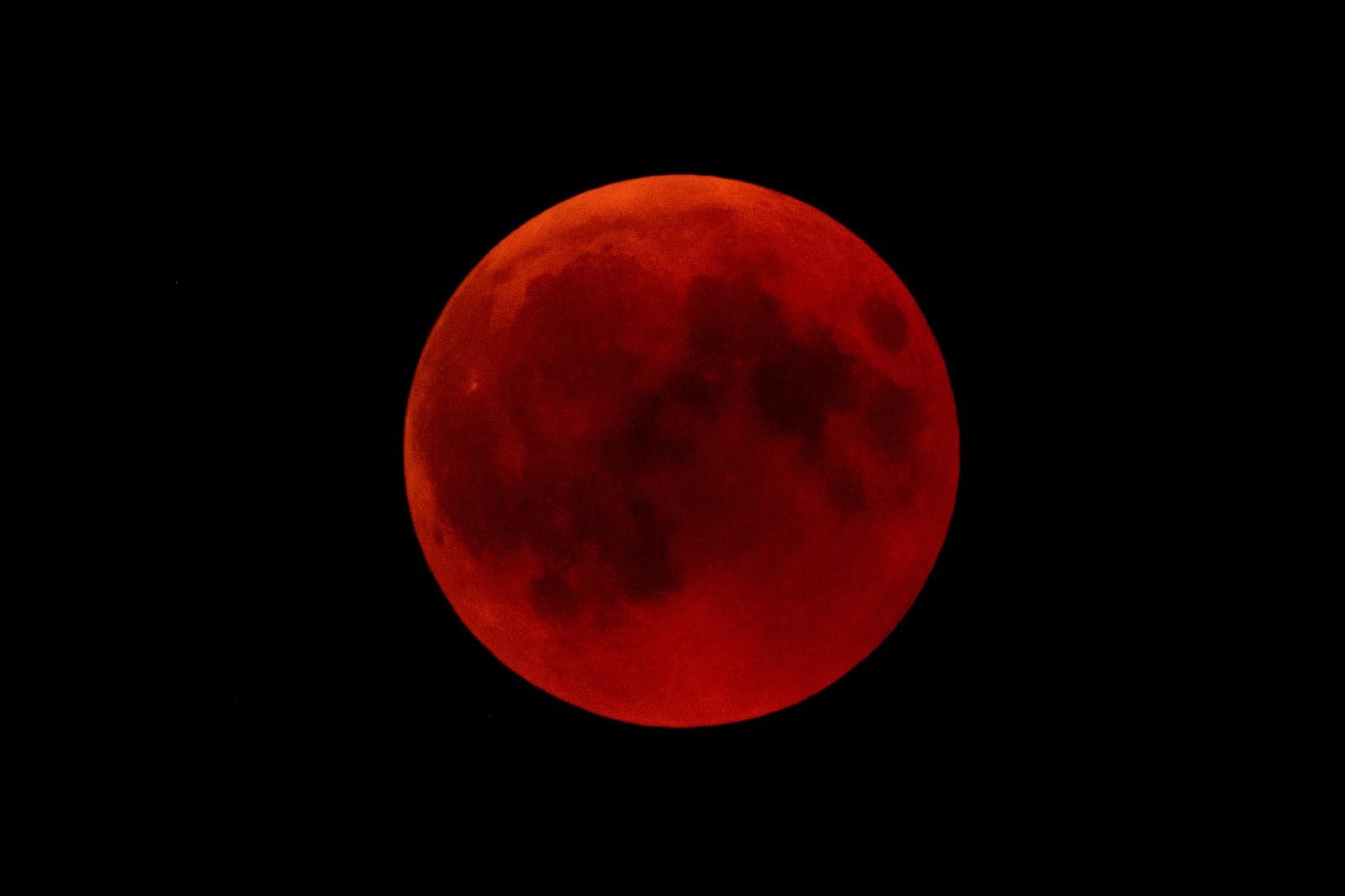
Visible across the entire U.S. — no special glasses needed, just clear skies and a view to the west before dawn. It’s the only total lunar eclipse of 2026 and the last one visible from North America until December 31, 2028.The Moon will slowly darken, turn deep copper-red during totality (about 58 minutes long), then brighten again. The color comes from sunlight bending through Earth’s atmosphere — basically every sunrise/sunset on Earth lighting up the Moon at once.
- Set your alarm 30–45 min early so you catch the partial phases.
- West Coast = best views (full dark sky).
- East Coast = still awesome, but bring coffee — it’s a sunrise eclipse.
- Livestreams will be all over YouTube/NASA if it’s cloudy where you are.
If you’re in Belgium (or anywhere in Europe), unfortunately the Moon will be below the horizon during the whole show, but the livestreams will be epic.So… you planning to wake up and watch, or just hyped about the 3:33 / 3/3 synchronicity?  The universe loves its little numerology jokes.